A home can look beautiful on the day you move in. The real test begins a few months later.
The kitchen needs cleaning, the bathroom fittings need attention, dust finds its way into every corner, electricity bills arrive and small repairs start becoming part of the routine. Suddenly, you realise that maintaining a home takes more time, money and effort than you expected.
That is why choosing a home should involve more than looking at its interiors or amenities. It is worth asking a simple question: How easy will this home be to live in and look after every day?
The best low maintenance homes are not necessarily smaller or simpler. They are homes where practical planning, durable materials, efficient systems and thoughtful layouts reduce the effort involved in everyday upkeep.
If you are searching for easy to maintain homes, here are some details worth paying attention to before making your decision.
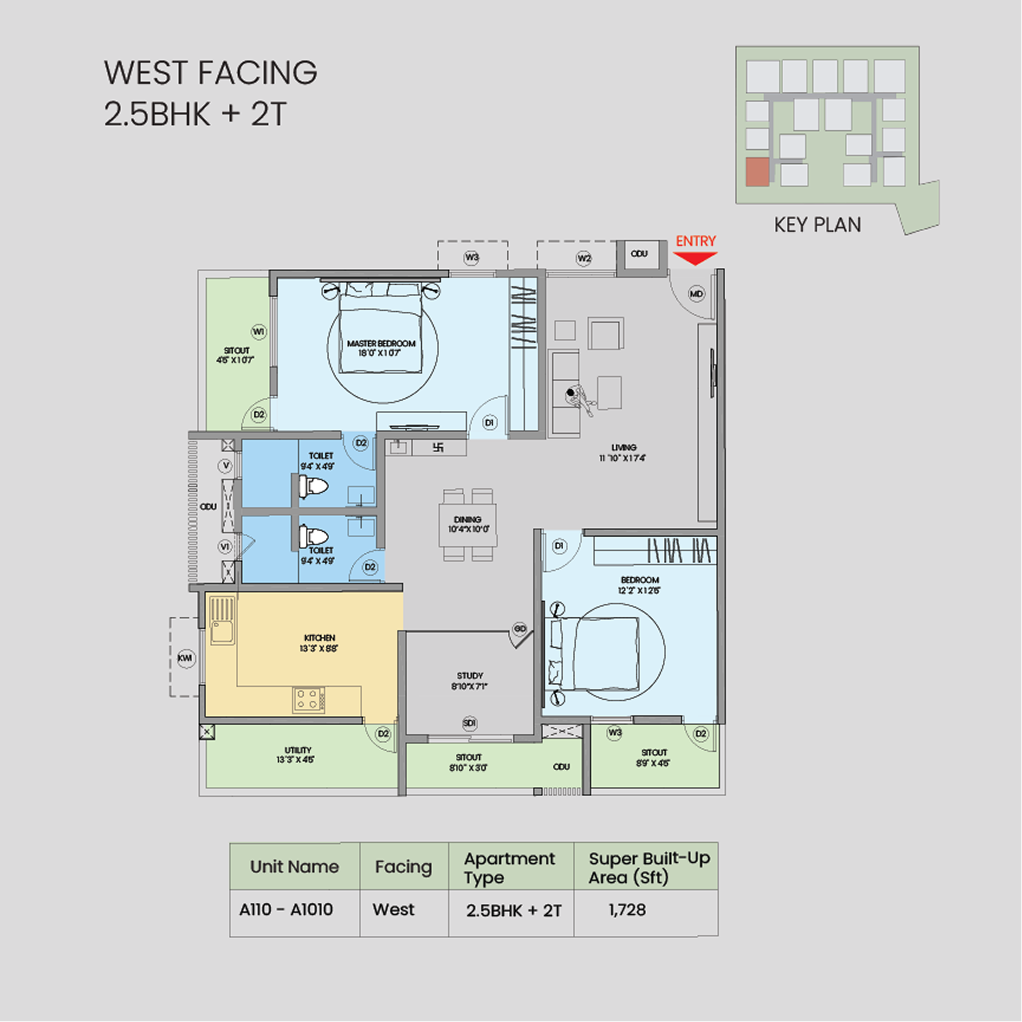
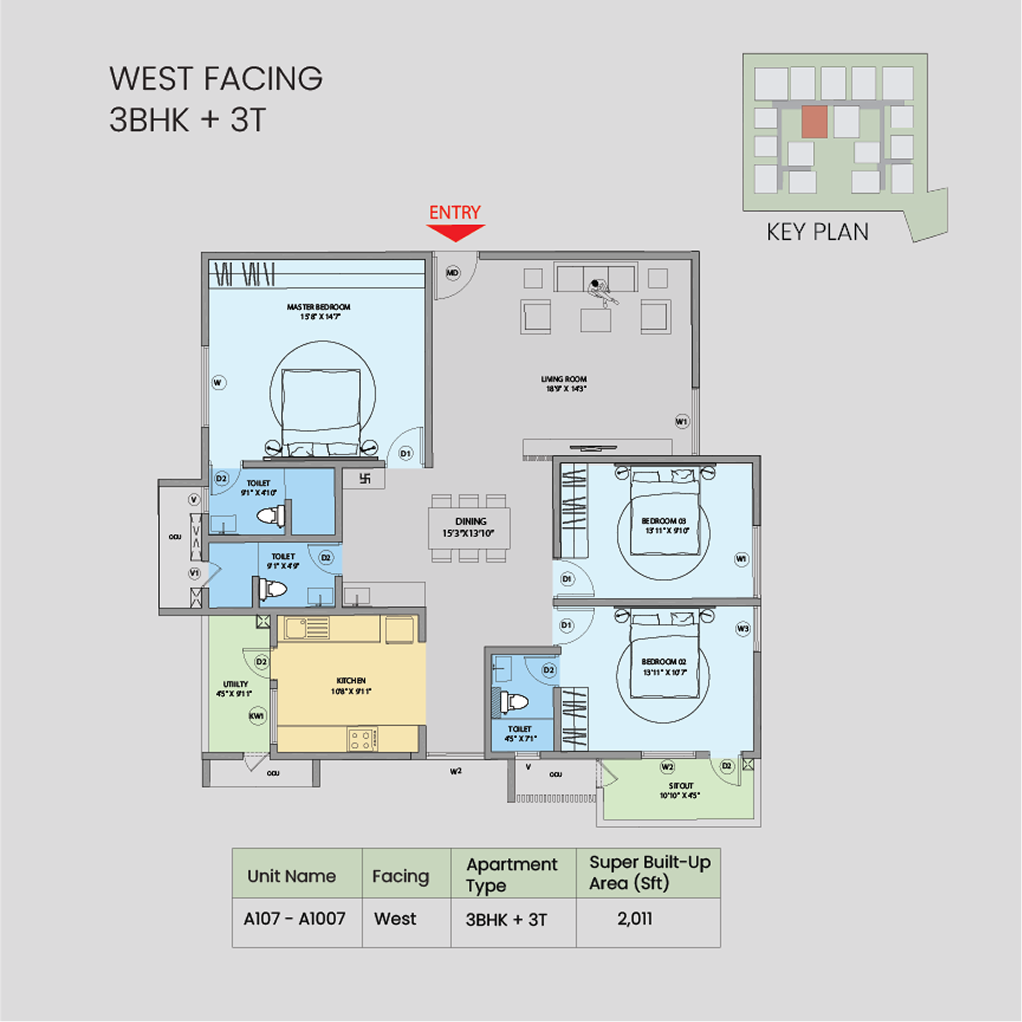
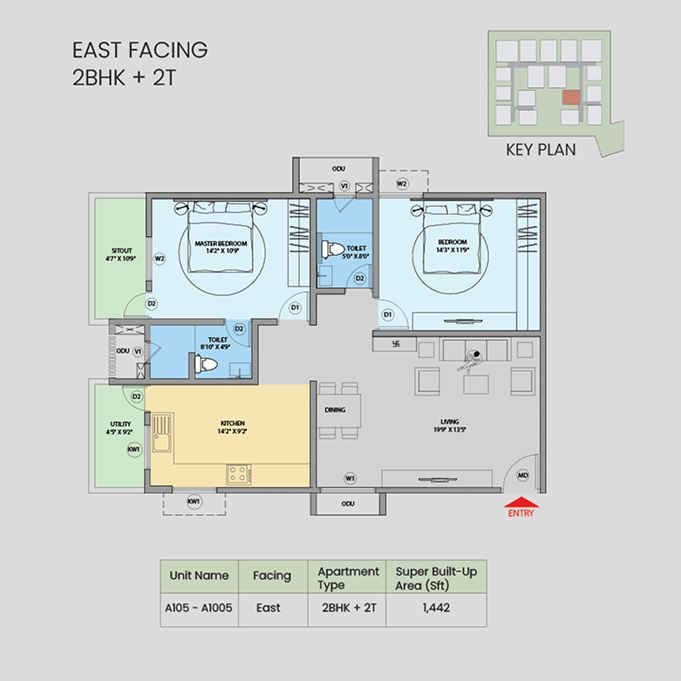
A Practical Layout Can Save You More Time Than You Think
A well-planned home does not make you work around its layout.
Consider a kitchen with enough counter space, storage that is easy to reach and a sensible arrangement of appliances. Think about bathrooms that are easy to clean, wardrobes that do not obstruct movement and passages that do not create awkward, unused corners.
Even the way rooms connect can influence how much effort goes into keeping a home organised.
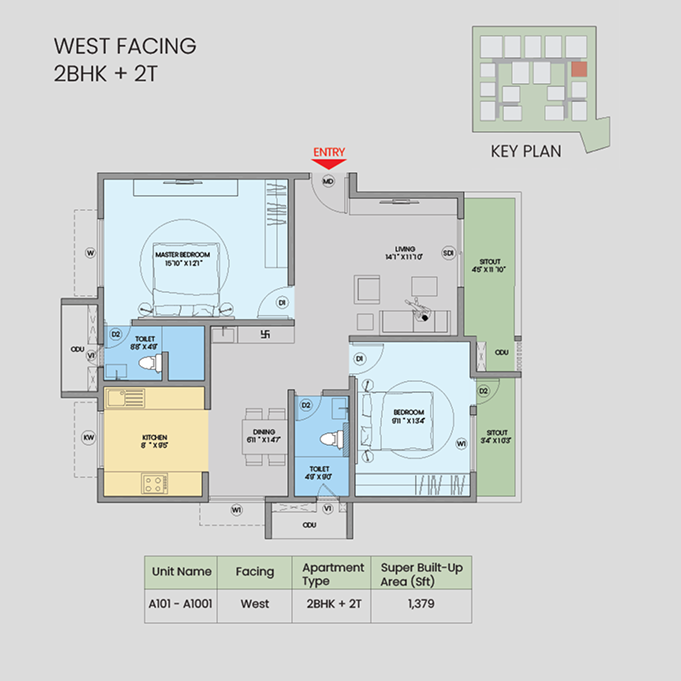
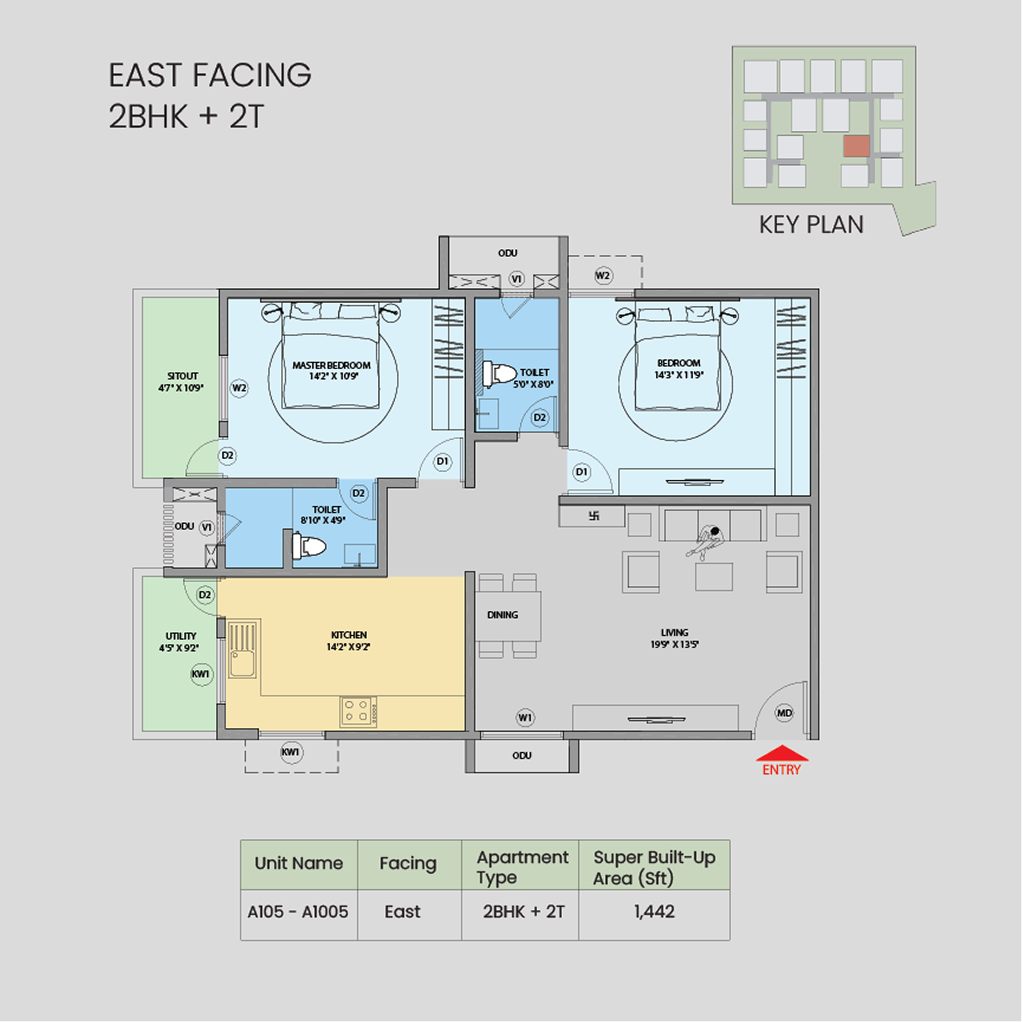
For example, an apartment with unnecessary corners, difficult-to-access storage or poorly planned utility areas may require more cleaning and organisation. A practical layout, on the other hand, makes it easier to manage daily activities without constantly rearranging things.
When visiting a property, look beyond the furniture arrangement in the sample flat. Ask yourself whether the actual floor plan will make everyday cleaning, storage and movement convenient.
Choose Materials That Can Handle Everyday Life
Some materials look impressive initially but need frequent attention to retain their appearance. Others are better suited to everyday use.
Flooring, countertops, wall finishes, bathroom fittings and kitchen surfaces all influence how much maintenance a home may require.
Here are a few things to consider:
- Flooring: Choose surfaces that are easy to clean and suitable for the amount of foot traffic they will receive.
- Kitchen countertops: Look for durable, non-porous surfaces that are easier to wipe down and maintain.
- Bathroom fittings: Check the quality of taps, shower fittings, sanitaryware and drainage arrangements.
- Wall finishes: Consider finishes that can be cleaned without losing their appearance easily.
- Windows and hardware: Check how accessible they are for cleaning and whether replacement parts or servicing are readily available.
There is no single material that works best for every home. The right choice depends on the household, climate, usage and the manufacturer’s care instructions.
Before booking, ask the developer for a detailed specifications sheet. It is better to understand what is actually being provided than to assume that a premium-looking sample flat represents the final finish.
Natural Light and Ventilation Make Everyday Living Easier
A home that receives good natural light and has adequate ventilation can feel more comfortable throughout the day.
It can also reduce the need to depend entirely on artificial lighting and mechanical cooling during suitable weather conditions. Good ventilation helps move indoor air, while daylight can make rooms feel more open and pleasant.
This is not just a design preference. The Bureau of Energy Efficiency’s Eco Niwas Samhita sets building-envelope performance standards intended to limit unwanted heat gain or heat loss while supporting natural ventilation and daylighting.
The principle is particularly relevant in warm Indian cities, where the way a home handles heat can influence comfort and electricity use.
When evaluating an apartment, check:
- Whether windows are positioned to support natural light and airflow
- Whether rooms feel stuffy or comfortable during a visit
- How much direct sunlight enters the home at different times
- Whether the layout allows air to move through the living spaces
- Whether external shading or other design features help manage heat
A home that works with its climate can be more comfortable to live in and may reduce dependence on artificial cooling and lighting.
Pay Attention to Water Management
Water-related problems can quickly turn into recurring maintenance issues.
Leaking taps, poor drainage, damp walls, clogged outlets and inefficient plumbing can cause inconvenience and, in some cases, expensive repairs. These are not details to overlook simply because they are hidden behind walls or below floors.
During a site visit, ask about the plumbing system, drainage arrangements, waterproofing provisions and water management practices within the development.
Also look at the bathroom and kitchen layouts. Are the wet areas sensibly planned? Is there adequate drainage? Are the fittings accessible for servicing?
Rainwater harvesting and efficient water management systems can also support responsible resource use at the community level. However, it is important to understand how these systems are designed, operated and maintained rather than assuming that their presence alone guarantees trouble-free performance.
For a useful reference, the Bureau of Indian Standards’ standardised development and building regulations cover building services, drainage and sanitation provisions.
Energy Efficiency Can Reduce the Effort of Running a Home
Maintenance is not limited to cleaning and repairs. It also includes the recurring cost of keeping a home comfortable and functional.
Electricity is a good example. Lighting, fans, refrigerators, washing machines, water heaters and air conditioners all contribute to household consumption.
A Bureau of Energy Efficiency residential energy survey published in 2026 estimates average annual electricity consumption at approximately 1,937 kWh per urban household in its sampled households. Actual consumption varies depending on household size, location, appliances, weather and lifestyle.
This makes energy-conscious planning worth considering when choosing a home.
Look for features such as:
- Adequate natural daylight
- Ventilation that supports airflow
- Efficient lighting and electrical provisions
- Suitable shading to manage heat
- Provision for energy-efficient appliances
- Renewable energy systems in the residential community, where available
The Bureau of Energy Efficiency explains how residential building-envelope standards can help improve energy performance.
Remember that energy-efficient features do not automatically mean lower bills. Your consumption habits and the actual performance of the building matter too. But considering these factors before buying can help you make a more informed decision.
Shared Spaces Should Be Well Planned, Not Just Numerous
In a gated community, maintenance is not limited to the apartment you own. Common areas also influence the overall upkeep of the development.
Landscaped gardens, swimming pools, clubhouses, lifts, corridors, parking areas and security systems all need regular attention. A long list of amenities may look attractive, but buyers should also understand how these facilities will be managed.
Before choosing a project, ask:
- Who will manage the common areas after handover?
- What maintenance services are included?
- How are maintenance charges calculated?
- What arrangements are in place for lifts, security and common utilities?
- How frequently will shared facilities be serviced?
- Are there clear provisions for waste management and landscaping upkeep?
A well-managed community can make everyday living more convenient. But amenities also come with operating costs, so it is important to understand the maintenance structure before committing.
The goal is not to avoid amenities. It is to choose facilities that add genuine value to your lifestyle and are supported by a clear management plan.
Storage Is One of the Most Underrated Maintenance Features
A home can have beautiful interiors and still feel cluttered if there is nowhere to put everyday belongings.
Shoes, cleaning supplies, kitchen essentials, luggage, seasonal clothing and household equipment all need designated spaces. Without enough storage, items gradually occupy countertops, corners and walkways, making cleaning and organisation harder.
This is why storage should be considered while evaluating the floor plan, not only after moving in.
Look for:
- Wardrobe space in bedrooms
- Practical kitchen cabinets
- Utility areas for cleaning equipment and laundry
- Space for luggage and seasonal belongings
- Storage that does not interfere with movement
You do not necessarily need a larger apartment to stay organised. Sometimes, a better-planned apartment simply makes better use of the available space.
Think About Maintenance Before You Calculate the Price
Two apartments with similar prices can have very different long-term ownership costs.
One may need more frequent repairs, higher electricity consumption or additional spending on interiors. Another may offer a more practical layout, durable specifications and well-managed common facilities.
This is why it helps to look at the total cost of living in a home rather than focusing only on its purchase price.
When comparing properties, consider the following:
| What to evaluate | Questions to ask |
| Apartment specifications | Are the materials and fittings durable and easy to maintain? |
| Layout | Is the space easy to clean, organise and use? |
| Utilities | Are plumbing, drainage and electrical systems well planned? |
| Energy use | Does the design support daylight, ventilation and efficient cooling? |
| Common areas | How are shared amenities and facilities maintained? |
| Monthly expenses | What are the maintenance charges and other recurring costs? |
Request written details wherever possible. A clear understanding of these expenses can help you plan your finances beyond the initial purchase.
What Does This Mean When Choosing a Home at Avaasa One?
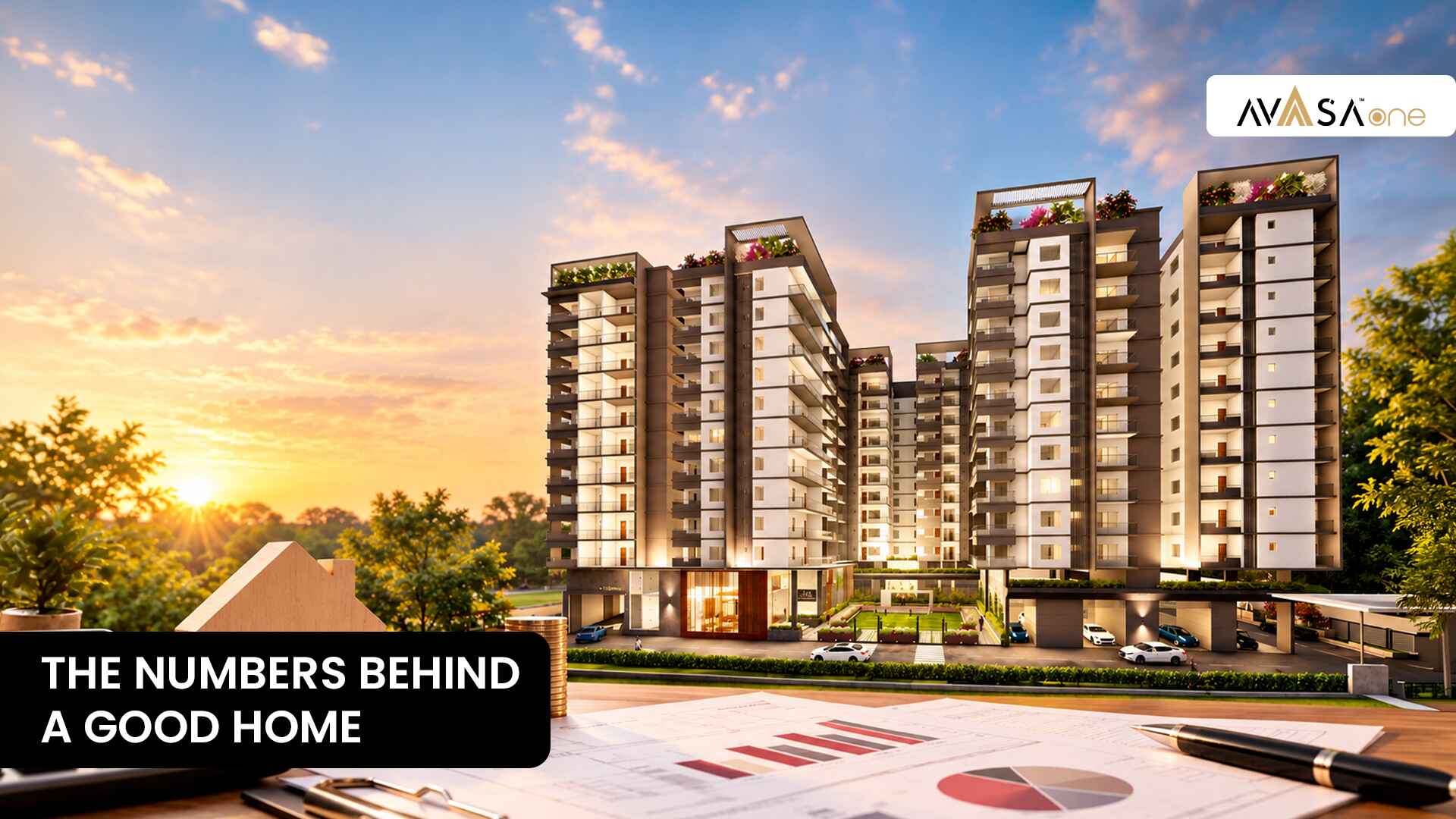
At Avaasa One, Kakinada, the focus extends beyond the apartment to the experience of living within a planned residential community.
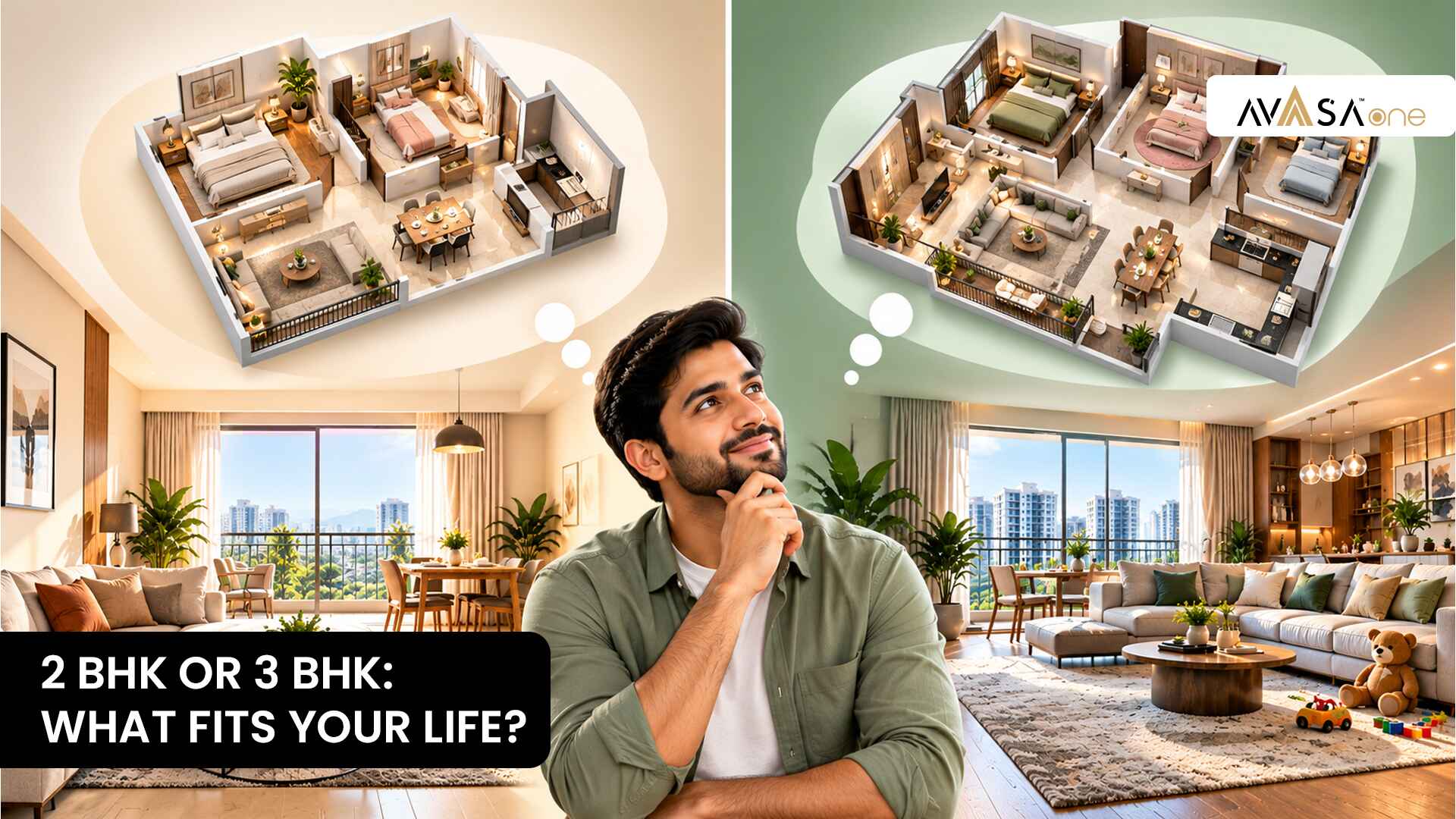
The development offers 2, 2.5, 3 and 3.5 BHK apartments, along with 4 BHK duplexes. Its published project details highlight zero dead-space layouts, open spaces and an 11,390 sq. ft. clubhouse, alongside indoor and outdoor amenities.
These are useful starting points when evaluating how a home and its surrounding spaces can support everyday living. Buyers should also review the specific apartment’s specifications, understand the community’s maintenance arrangements and confirm the applicable recurring charges before making a decision.
You can explore more about the development through Avaasa One’s project details and learn about its approach to gated community living.
The Best Home Is One That Doesn’t Make Life Harder
A home should give you more time to enjoy your life, not leave you constantly managing it.
The right layout, sensible material choices, good ventilation, reliable utilities and well-maintained shared spaces can all make a difference to the experience of owning a home.
When exploring low maintenance homes, do not look only for features that sound impressive. Look for the details that make everyday routines simpler.
Because a well-designed home is not just one that looks good when you move in. It is one that continues to work well long after the boxes are unpacked.
Explore Avaasa One in Kakinada. Visit avaasa.com or call 95454 66666 to know more and schedule a site visit.