You can rent the same home for years. So, when does buying start making sense?
Imagine finding an apartment that checks almost every box. The location is convenient, the neighbourhood feels right, and the rent fits your monthly budget.
Then comes the familiar question: Should you continue renting, or is it time to buy your own home?
It is a decision many home seekers in India face. Renting offers flexibility and fewer financial commitments upfront. Buying offers ownership, stability and the freedom to make a space your own. But neither option is automatically the better financial decision.
In fact, the answer depends on a few things that are often overlooked: how long you plan to stay, how much you can comfortably invest, what similar homes cost to rent, and how your priorities might change.
So, if you’re weighing buying a house vs renting, let’s look beyond the usual arguments and understand what the numbers and everyday realities actually tell us.
Renting isn’t necessarily money down the drain
One of the most common arguments for buying a house is that rent is money you never get back.
But renting does provide something valuable: the use of a home without taking on the financial responsibilities of ownership.
Consider what renting allows you to do:
- Move to another city for a career opportunity.
- Choose a home closer to your workplace.
- Avoid committing a large amount of savings to a down payment.
- Leave major structural repairs and building-related responsibilities to the owner, subject to your rental agreement.
- Change your living arrangements as your family or work situation evolves.
For someone who is still exploring career opportunities, planning a move or uncertain about where they want to settle, renting can be a sensible choice.
There is also an important financial consideration. The money that would otherwise go towards a down payment can remain available for investments, emergencies or other priorities. Of course, that depends on whether the money is actually saved or invested responsibly.
The point is simple: renting is not automatically a poor financial decision. It can be the right arrangement for a particular stage of life.
What does the Indian housing picture tell us?
Homeownership and rental housing are both important parts of India’s urban housing landscape.
According to Census 2011 data cited in a 2026 analysis by PRS Legislative Research, approximately 27% of India’s urban population lived in rented accommodation at the time. The figure is historical, rather than a current estimate, but it illustrates how significant rental housing has been in urban India.
You can explore the data and policy context in PRS Legislative Research’s analysis of Housing and Urban Affairs.
On the ownership side, the National Housing Bank’s Report on Trend and Progress of Housing in India 2024, released in March 2025, reported that outstanding individual housing loans stood at ₹33.53 lakh crore as of September 30, 2024, representing 14% growth over the corresponding period of the previous year.
The report also recorded a year-on-year increase of 6.8% in the NHB-RESIDEX Housing Price Index for the quarter ended September 2024.
Read the Government of India’s summary of the NHB report.
These figures offer useful context about India’s housing and lending markets. They do not, however, prove that buying is better than renting. That decision still depends on an individual buyer’s finances, location and plans.
The real comparison: Rent versus EMI
Let’s put some numbers to the decision.
Imagine you’re considering an apartment worth ₹60 lakh. Instead of paying the full amount upfront, you plan to make a 20% down payment and finance the rest through a home loan.
Here’s an illustrative calculation:
| Particulars | Amount |
| Apartment price | ₹60,00,000 |
| Down payment (20%) | ₹12,00,000 |
| Home loan (80%) | ₹48,00,000 |
| Assumed annual interest rate | 8.5% |
| Loan tenure | 20 years |
| Approximate monthly EMI | ₹41,600 |
Figures are illustrative, not a bank quotation or current loan offer. Actual interest rates, eligibility, loan terms and charges vary.
Now imagine a comparable rented apartment costs ₹20,000 per month.
| Monthly expense | Renting | Buying |
| Monthly rent / EMI | ₹20,000 | ₹41,600 |
| Maintenance and other costs | Depends on agreement | Additional ownership expenses |
| Initial financial commitment | Deposit and moving expenses | Down payment and purchase-related expenses |
At first glance, renting appears significantly more affordable every month.
But there is more to the calculation.
When you pay rent, you are paying for the use of the property. When you pay an EMI, a portion goes towards interest and another portion towards reducing your outstanding loan principal. The latter contributes to your ownership equity.
However, buying also involves stamp duty, registration, maintenance, repairs, property-related expenses and the opportunity cost of the down payment.
So, comparing rent directly with EMI does not give you the complete answer.
The better question is: How much will it cost to own the home over the period you plan to live in it, compared with renting a similar home for the same period?
How long do you plan to stay?
This is one of the biggest factors in the rent-versus-buy decision.
Buying a home involves several upfront expenses. If you purchase a property and sell it after a short period, transaction costs and market conditions can affect the financial outcome.
Renting may make more sense when:
- You expect to relocate within a few years.
- Your employment or business location may change.
- You are still deciding which neighbourhood suits you.
- You don’t have enough savings for a comfortable down payment.
- You would prefer to keep your finances flexible.
Buying may become more attractive when:
- You expect to settle in the same city for the long term.
- Your income is reasonably stable.
- You have sufficient savings beyond the down payment.
- The EMI and other expenses fit comfortably within your budget.
- You want a permanent home for your family.
There is no universal number of years after which buying automatically becomes better. The break-even period depends on purchase price, rent, loan interest, maintenance, taxes, transaction costs, investment returns and any change in property value.
A home purchase deserves a longer view than simply comparing this month’s rent with next month’s EMI.
What are you giving up when you buy?
Buying a home is often associated with financial security, but it also comes with responsibilities.
A down payment can take up a significant portion of your savings. A home loan creates a long-term repayment commitment. And unlike renting, where you can usually move when your agreement ends, selling an owned property takes time and involves additional costs.
There are a few expenses worth planning for:
The down payment: This is money you need to arrange before the loan is disbursed. Make sure you still have an emergency fund after making the payment.
Registration and applicable taxes: These can add significantly to your initial purchase budget.
Interiors and furnishing: A new apartment may need wardrobes, lighting, appliances, furniture and other work before it feels complete.
Maintenance and repairs: Ownership means planning for ongoing upkeep, both inside the apartment and through applicable community maintenance charges.
Loan interest: Over a long tenure, the total interest paid can be substantial. Compare different loan tenures and rates rather than looking only at the EMI.
The Reserve Bank of India’s financial education resources are a useful starting point for understanding responsible borrowing and financial planning.
Buying should not leave you financially stretched. The objective is to own a home while still being able to manage the rest of your life comfortably.
But what does owning a home give you beyond the numbers?
There are reasons people choose to buy that don’t fit neatly into an EMI calculator.
For some, it is the comfort of knowing they have a permanent address. For others, it is being able to design their home without seeking a landlord’s approval, create familiar routines or give their children a consistent environment.
Think about the small things:
- Setting up a kitchen exactly the way you like it.
- Choosing the interiors and furniture without rental restrictions.
- Having a familiar neighbourhood and community.
- Creating a home that can accommodate changing family needs.
- Knowing that you are building ownership in an asset rather than relying on a rental arrangement.
These benefits are personal. They may matter a great deal to someone planning to settle down, while someone who values mobility may not consider them essential.
The emotional value of homeownership is real, but it should complement a sound financial decision, not replace one.
Renting versus buying in a growing city like Kakinada
The decision can look different depending on where you plan to live.
In a city like Kakinada, buyers may be considering factors beyond the immediate cost of an apartment. Access to workplaces, educational institutions, hospitals, transport and everyday conveniences can all influence where they choose to settle.
If you are considering a property for the long term, it is worth evaluating the neighbourhood as carefully as the apartment itself.
Ask yourself:
- Will this location continue to suit my daily routine?
- Are essential services conveniently accessible?
- Is the apartment layout suitable for my family?
- Do I understand the full purchase and maintenance costs?
- Can I comfortably manage the financial commitment?
The National Housing Bank’s housing reports offer broader insights into India’s housing market, including housing finance and price movements.
For an individual buyer, however, the most useful comparison is always between actual rental and purchase options in the neighbourhoods they are considering.
If buying is the next step, what should you look for?
Once you’ve decided that homeownership fits your plans, the next challenge is choosing the right property.
Don’t let the excitement of purchasing your first home make you overlook the details.
Look at the location. Check everyday connectivity, nearby services and the neighbourhood’s suitability for your lifestyle.
Compare the complete cost. Consider the base price, registration, applicable taxes, interiors, maintenance and loan expenses.
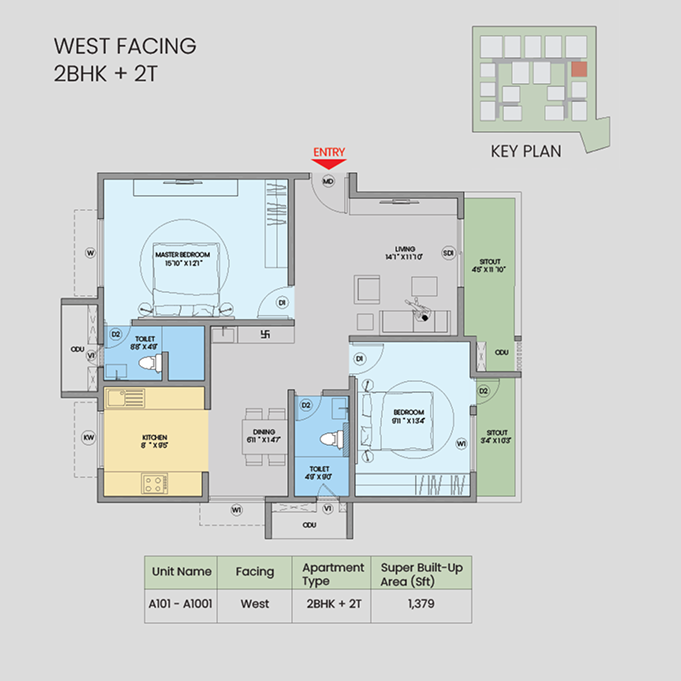
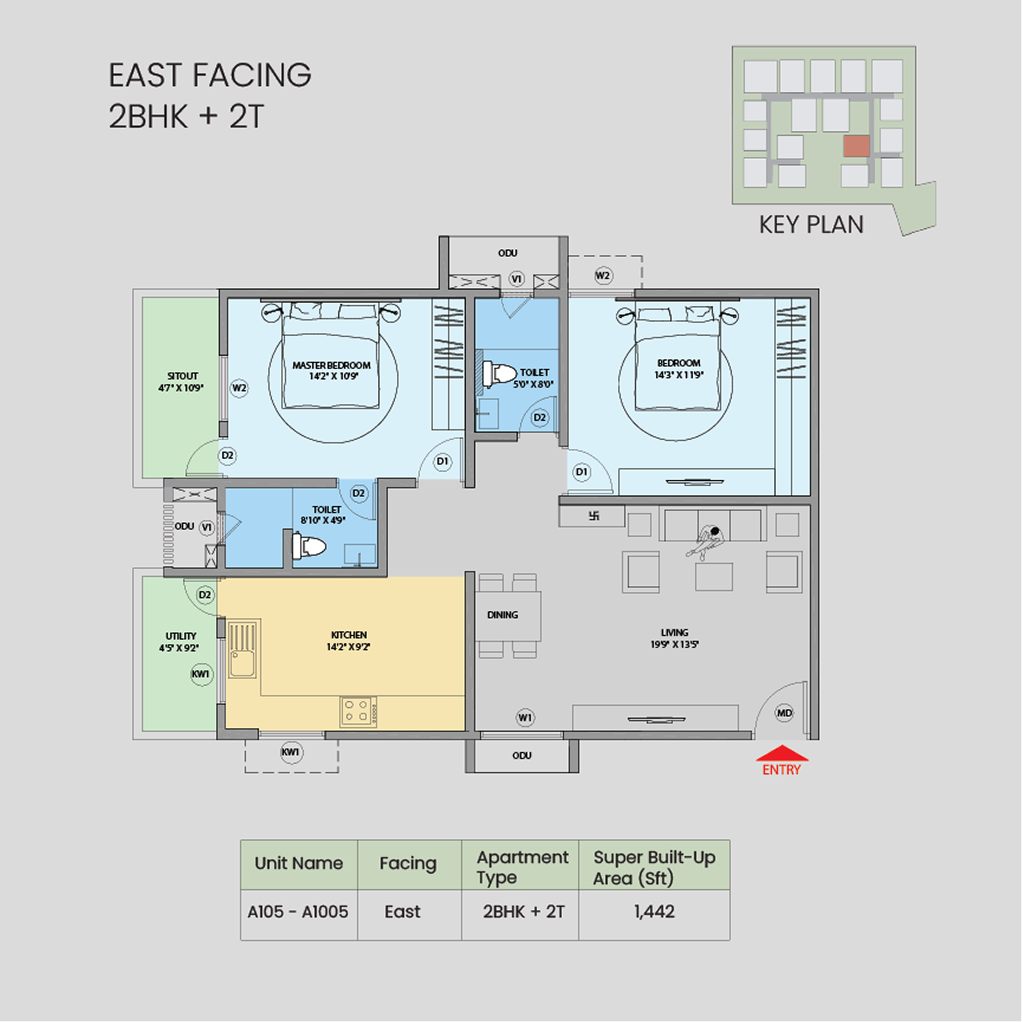
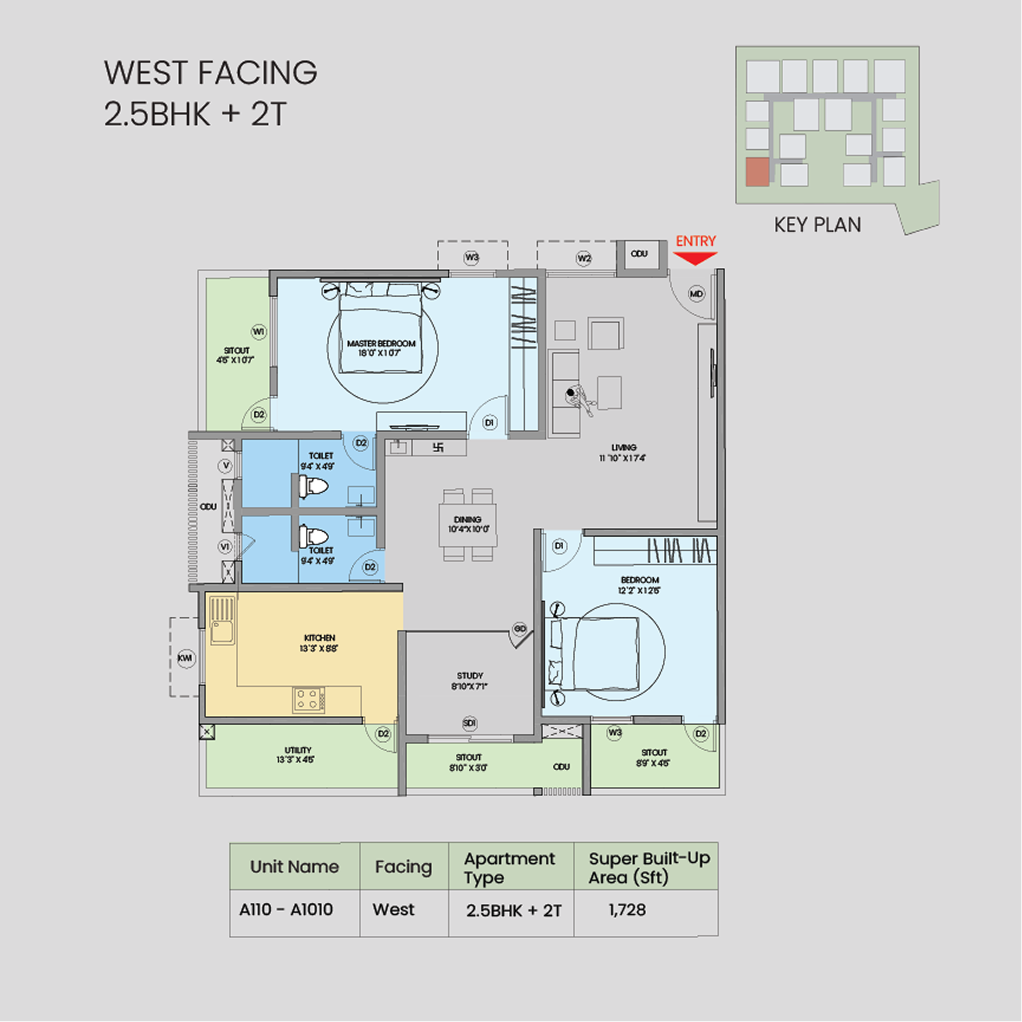
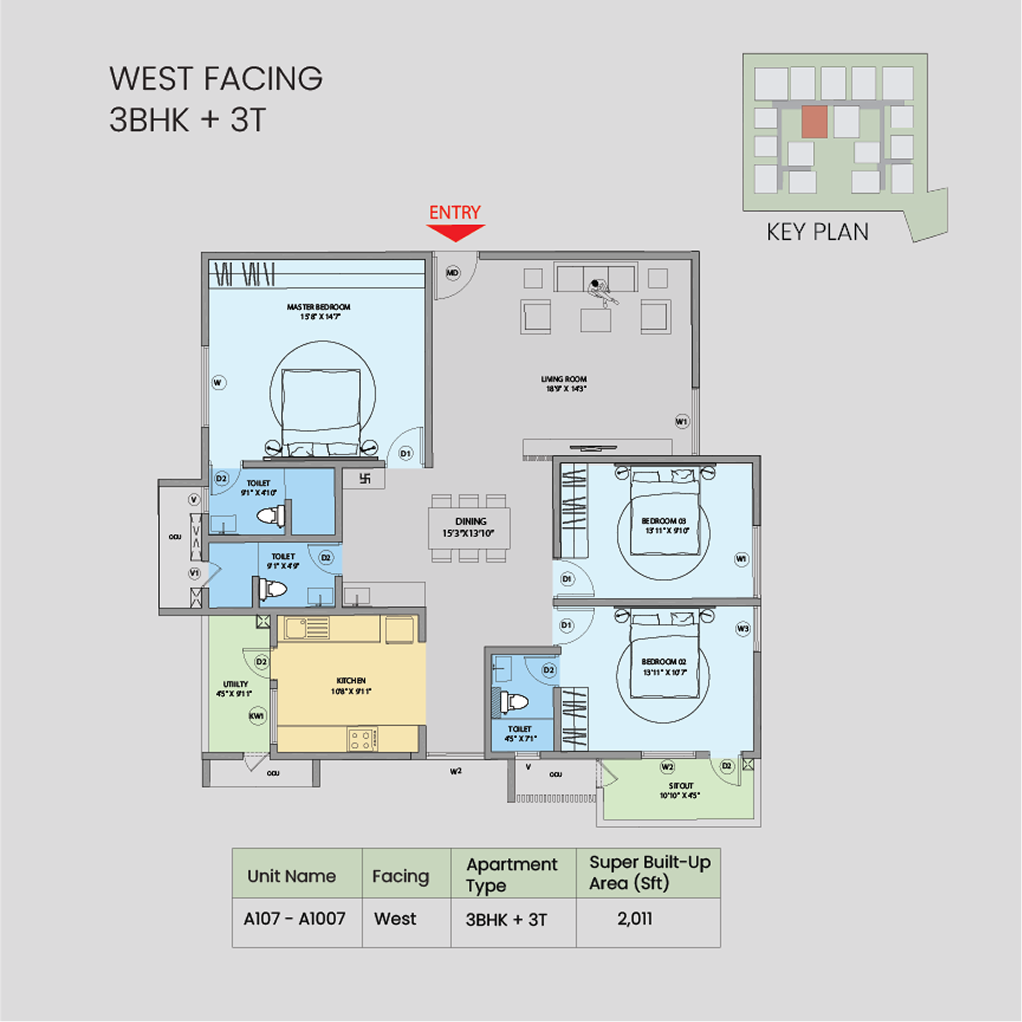
Understand the floor plan. Look beyond the bedroom count. Check usable space, ventilation, storage and room dimensions.
Evaluate the community. Consider whether the amenities and shared spaces are genuinely useful to your household.
Verify the documents. Review the project’s registration, approved plans, agreement terms and possession details. The Andhra Pradesh RERA portal is a starting point for checking registered project information.
A property should meet your practical requirements as well as your financial expectations.
Finding a home that fits your next chapter at Avaasa One
For people who have decided that buying is the right next step, the choice of home becomes just as important as the decision to purchase.
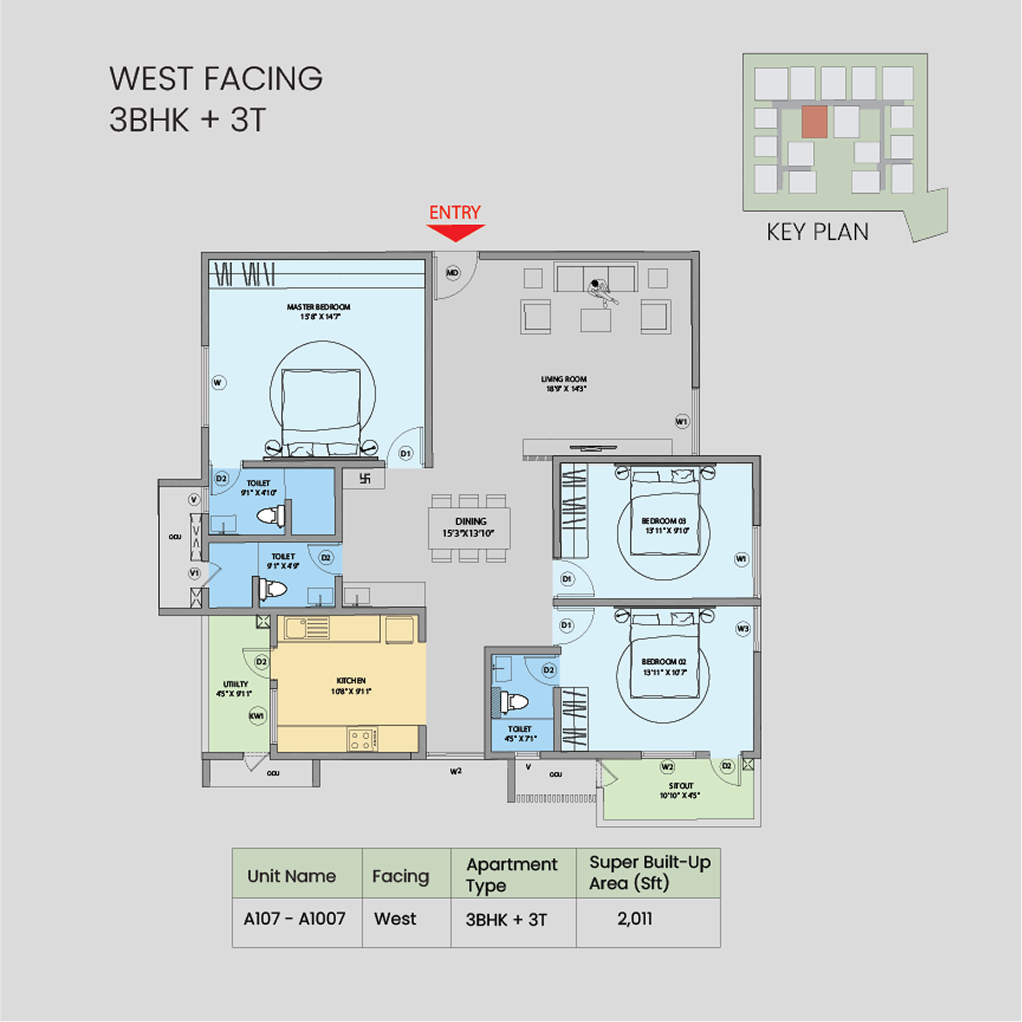
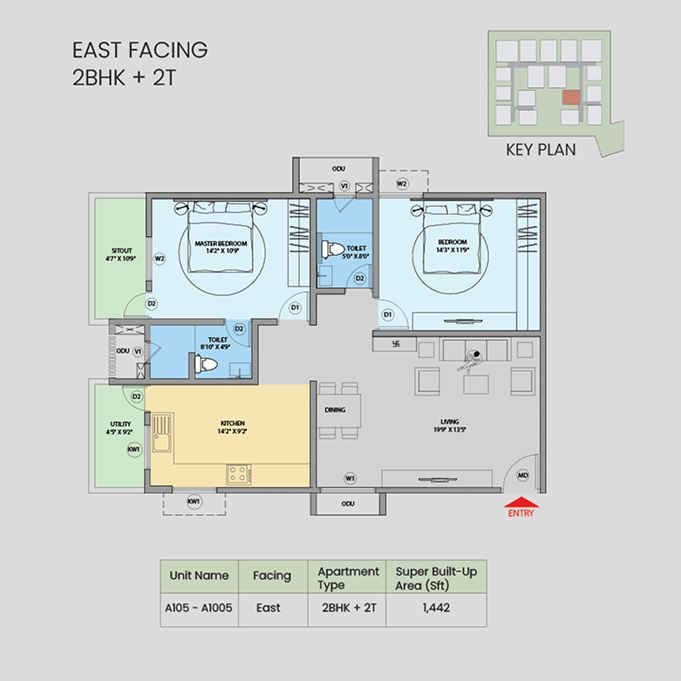
Located in Sarpavaram, Kakinada, Avaasa One brings together different apartment configurations within a residential community. The project offers 2, 2.5, 3 and 3.5 BHK apartments, along with 4 BHK duplexes, giving home seekers different options to consider based on their household requirements.
The development spans approximately 7,332 sq. yds. and features a range of shared amenities and landscaped spaces. It is registered under RERA number P04230083166.
For someone comparing buying a house vs renting, exploring a project in person can help turn an abstract decision into a practical one. You can assess the apartment layouts, understand the specifications, ask about current pricing and evaluate whether the location fits your long-term plans.
Explore Avaasa One’s apartments for sale in Kakinada or visit the Avaasa website to learn more and enquire about a site visit.
So, rent or buy?
There is no single answer that works for everyone.
Renting gives you flexibility, lower upfront commitments and the freedom to change your plans. Buying gives you ownership, stability and the opportunity to create a permanent home.
If you’re likely to move soon, renting may be the more practical option. If you’re financially prepared and see yourself settling in one place for the long term, buying may be worth considering.
The important thing is to make the decision based on your actual circumstances, not simply because homeownership is considered the next milestone in life.
Don’t buy just because renting feels temporary. Buy when the home, the location and the financial commitment all make sense for the life you want to build.